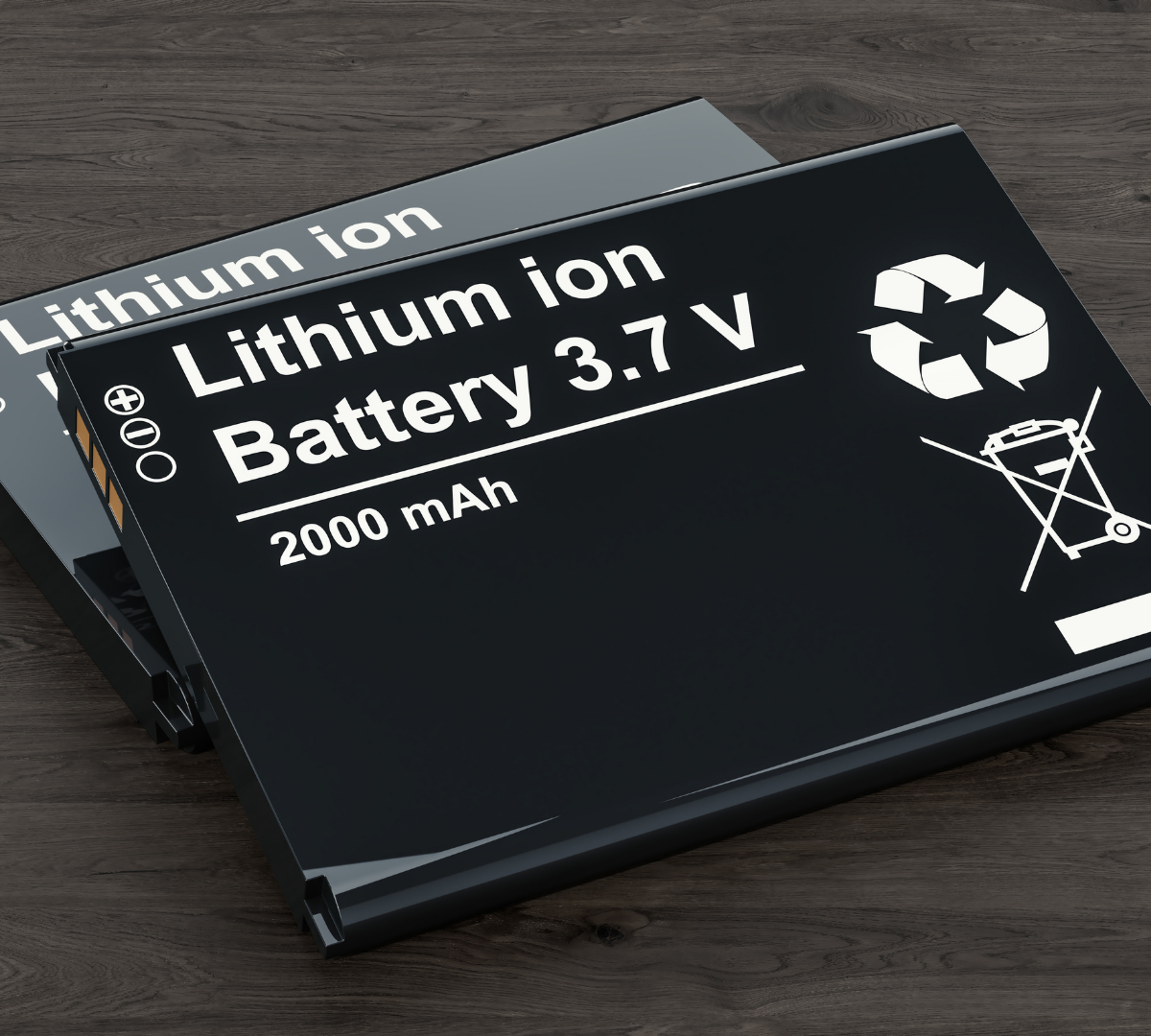
Lithium-ion batteries are found in items we use everyday such as power banks, vapes, smartphones, tablets, laptops, smartwatches and wireless headphones.
Extreme heat and freezing cold make lithium-ion batteries unstable which can increase the risk of sudden fires and explosions.
What to Avoid
- Never leave devices in vehicles - parked cars trap heat
- Avoid charging in direct sunlight - keep away from hot windows
- Charge on hard surfaces: Avoid charging on beds or sofas, as soft surfaces trap heat
- Inspect for damage: swollen, dented, or leaking batteries can be fire hazards
- Avoid freezing temperatures: Extreme cold degrades battery stability and performance
Safe Charging Practices
- Use official chargers - only use the power adapter that came with your device
- Charge on hard surfaces - place laptops and phones on desks or countertops
- Disconnect when full - unplug chargers once the battery reaches 100%
- Charge at room temperature - rooms should be between 10°C and 25°C
- Keep clear of exits - never charge devices in hallways or near doorways
Emergency Actions
- Detecting heat: If a device feels boiling hot, unplug it immediately.
- Handling smoke: Move the device away from flammable materials if safe.
- Never try to fight a lithium-ion battery fire with water.
- Evacuating: Leave the area immediately and dial 999 if the fire spreads